01
Government Partner
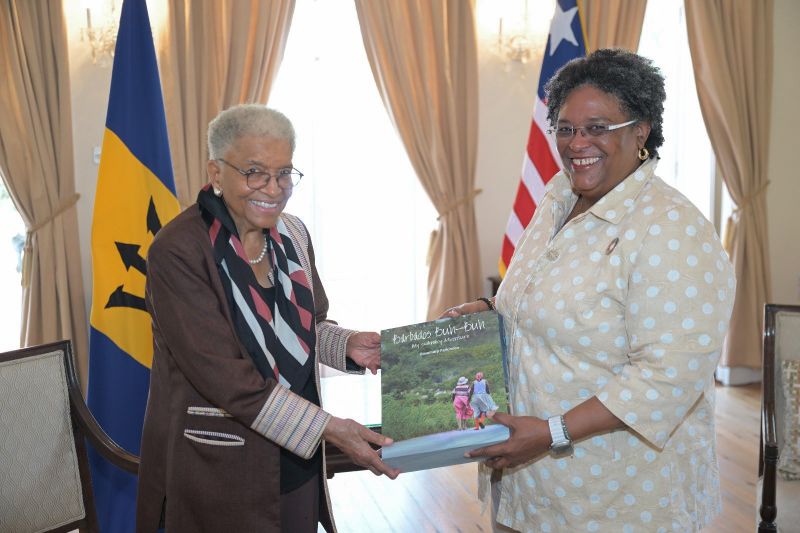
Office of the Prime Minister
Co-sponsor of the 2024 Sankofa Pilgrimage. Architect of the bilateral heritage relationship with Liberia. Signatory to the 2026 Visa Waiver Agreement.
 Barbados · The island of originPhoto: TABHI Archive
Barbados was home to the free Black Barbadians who in 1865 chose to build a new life on African soil. Their departure was aspiration, not exile. In 2024, the Government of Barbados co-sponsored the Sankofa Pilgrimage — the official recognition that those who left in 1865 were, and remain, Barbadians.
Read the full story →By 1865 Barbados had been free of slavery for twenty-seven years. The Slavery Abolition Act of 1833 had taken effect on the island in 1834, and the four-year apprenticeship period that followed had ended in 1838. The emigrants who boarded the brig CORA at Bridgetown Harbour were not fugitives but free citizens — literate, propertied, and organised.
The voyage was the work of an institution. London Bourne, born enslaved in Bridgetown around 1793 and one of the wealthiest merchants in the city by the 1830s, had co-founded the Fatherland Union Barbados Emigration Society alongside Samuel Jackman Prescod, the leading Afro-Barbadian civil-rights reformer of the era. The Society was revived on 10 March 1865 with Bourne's son-in-law, Anthony Barclay, as Chairman. Twenty-seven days later the CORA sailed.
Read about London Bourne, the architect of the voyage →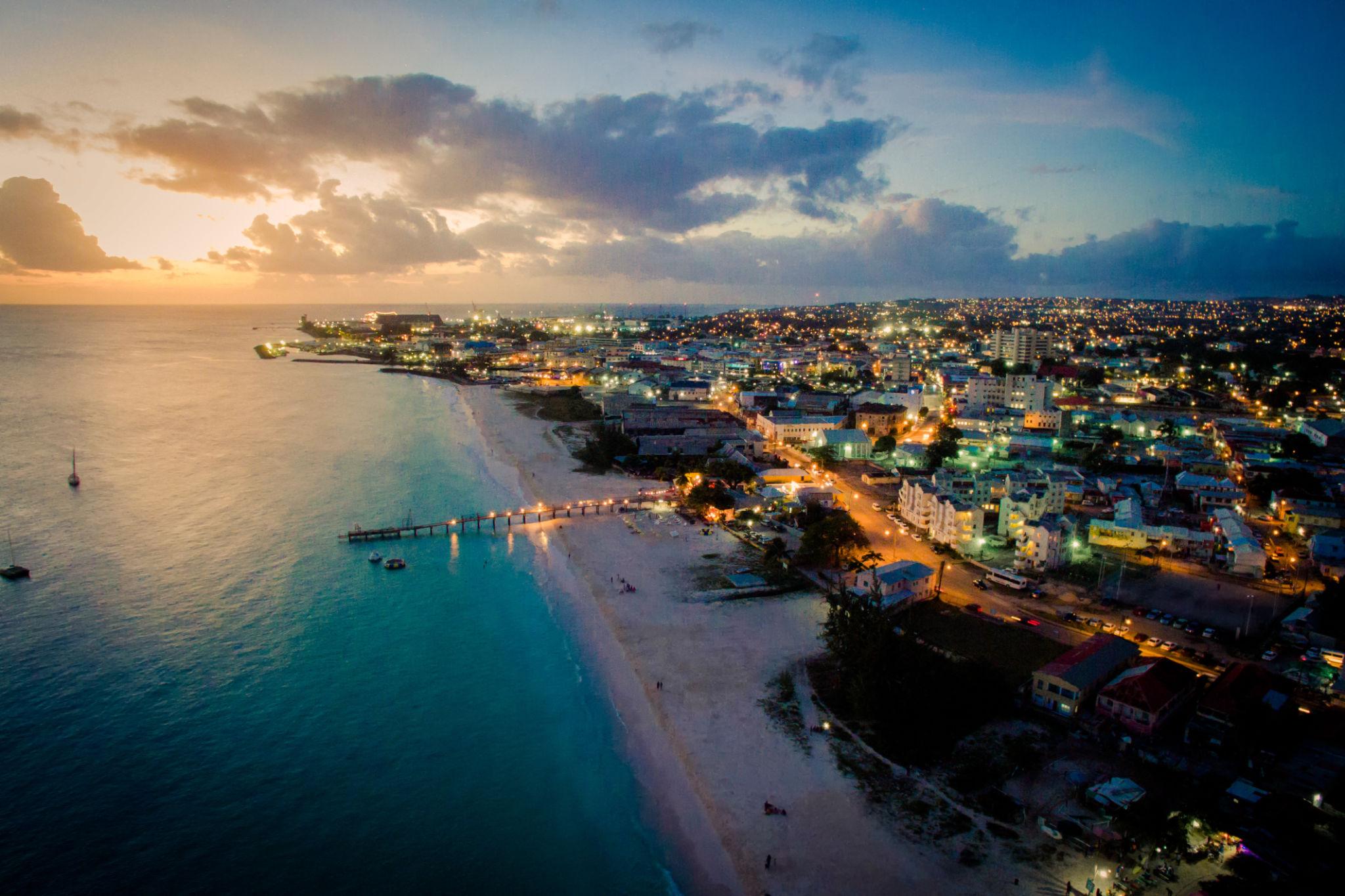
Barbados did not forget those who left. In 2024, it welcomed them home.TABHI · The Sankofa Pilgrimage, 2024
Barbados became a Commonwealth realm in 1966 and a parliamentary republic in 2021, with Dame Sandra Mason serving as its first President. The island is approximately 166 square miles and home to roughly 280,000 people. Bridgetown remains its capital and chief port. Prime Minister Mia Amor Mottley has led successive governments since 2018 and is the architect of the heritage-diplomacy programme that produced the 2024 Sankofa Pilgrimage and the 2026 Barbados–Liberia Visa Waiver Agreement.
Co-sponsor of the 2024 Sankofa Pilgrimage. Architect of the bilateral heritage relationship with Liberia. Signatory to the 2026 Visa Waiver Agreement.
Custodian of the manumission, marriage, baptismal, and conveyance records of nineteenth-century Black Barbadian families — the primary documentary base for TABHI's genealogical research.
Custodian of the visual and material record of nineteenth-century Black Barbadian life, including holdings related to London Bourne and the wider Bourne–Barclay lineage.
Proud Sponsors & Partners of the Sankofa Pilgrimage