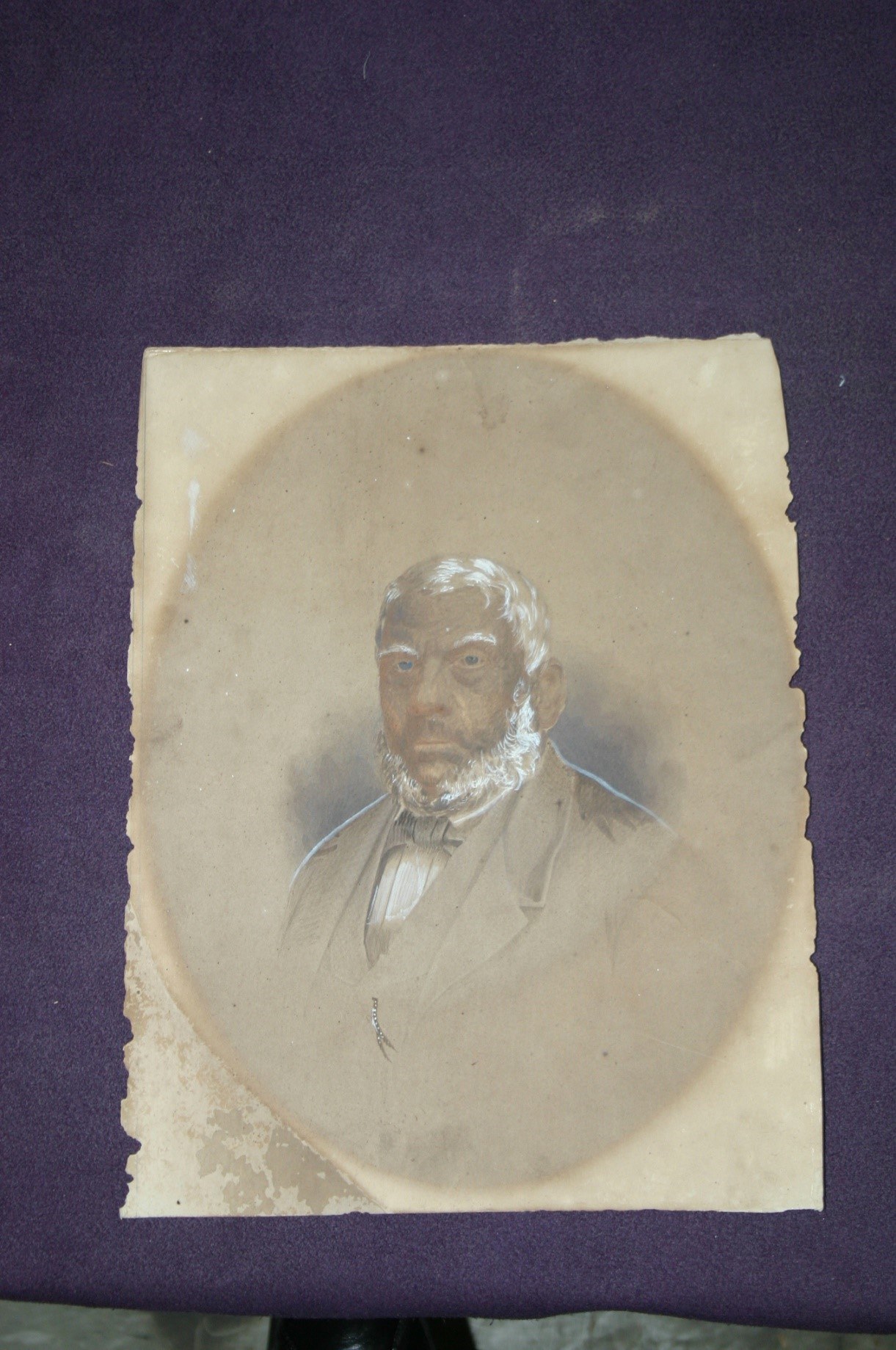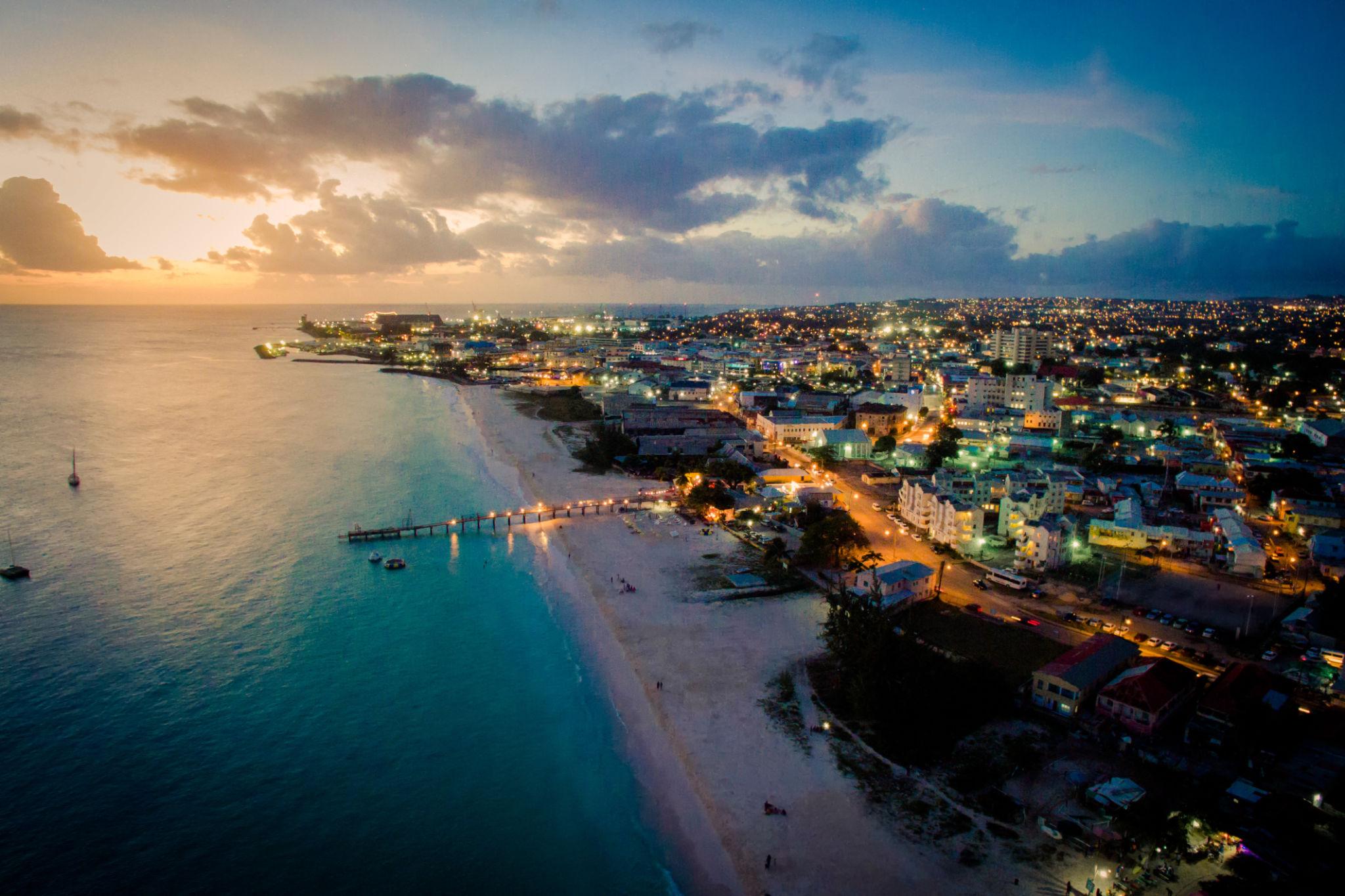
Born into slavery in Bridgetown. Manumitted in his mid-twenties. Within two decades, one of Bridgetown's wealthiest merchants — with stores, a sugar brokerage, mercantile agents in England, and a branch office in the City of London. By 1841, owner of a 169-acre plantation in St. Michael. Member of the Barbados Auxiliary Anti-Slavery Society. Patron of Samuel Jackman Prescod, the leading Afro-Barbadian civil-rights reformer of the day. Co-founder and principal patron of the Fatherland Union Barbados Emigration Society, the organisation that sent the brig CORA to Liberia in 1865. Maternal grandfather of Arthur Barclay, fifteenth President of Liberia.
The 1865 voyage did not happen by accident. It was organised, funded, and intellectually framed — and London Bourne was at the centre of all three.
Late slavery, apprenticeship, and post-emancipation Barbados. Within one lifetime, London Bourne moved from enslaved boy to merchant-prince, plantation-owner, anti-slavery campaigner, and architect of an Atlantic emigration.
London Bourne was born around 1793 in Bridgetown, the son of William Bourne, who had been enslaved before purchasing his own freedom and prospering as an artisan-businessman. London Bourne remained enslaved into his mid-twenties; his father bought his freedom for five hundred dollars, and bought his mother and four brothers for twenty-five hundred dollars more.
By the late 1820s Bourne was already considered one of the wealthiest merchants in Bridgetown. By 1837 he owned at least three stores in the city and had an estimated net worth of $20,000–$30,000. His commerce reached across the Atlantic: he kept mercantile agents in England, operated a branch office in the City of London, and employed English clerks — a circumstance the period's white commercial elite found scandalous.
Bourne extended credit and loans to clients of every colour. Yet the Bridgetown merchants' exchange — whose rooms he rented to them — refused to admit him as a member. A contemporary writer noted the contradiction: that he was a merchant of extensive business at home and abroad, occupying the floor below with a store, but was not suffered to set his foot within them.
He did not retreat. He bought land. In 1841 he purchased a 169-acre plantation in St. Michael for £7,428. A second plantation followed in 1856. He joined the St. Mary's Society for the Education of the Coloured Poor in the mid-1820s and the Barbados Auxiliary Anti-Slavery Society by 1840. He became a leading patron of the campaign of Samuel Jackman Prescod, the foremost Afro-Barbadian civil-rights reformer of the period.
Bourne worked alongside Samuel Jackman Prescod to establish and lead the Fatherland Union Barbados Emigration Society — identified in some sources as the Barbados African Colonisation Society and the Fatherland Progressive Union — committed to organised, dignified emigration of free Black Barbadians to Africa.
The Society was revived on 10 March 1865, with Anthony Barclay — Bourne's son-in-law — as Chairman, to collect families, source funding, and secure a vessel. Twenty-seven days later the brig CORA sailed from Bridgetown carrying 347 Barbadians, including Bourne's daughter Sarah Ann Bourne-Barclay, her husband Anthony, and their eleven children — among them twelve-year-old Arthur Barclay, who would become the fifteenth President of Liberia.
Bourne's daughter Sarah Ann was born and educated in Bridgetown and made the 1865 crossing on the CORA. She raised her children in Liberia. Her youngest, Arthur, would govern the country from 1904 to 1912 as its fifteenth President. Her grandson — Bourne's great-grandson — Edwin Barclay, would govern it from 1930 to 1944 as its eighteenth President.
The Bourne–Barclay line is the spine of one of the longest sustained Atlantic-spanning political legacies in the post-emancipation Black world. TABHI honours London Bourne as the architect of the voyage that founded Crozierville.
The four figures below define the spine of the 1865 emigration: the merchant who organised the voyage, his daughter, her husband who led the company across the Atlantic, and the grandson who would lead the Republic of Liberia forty years later.
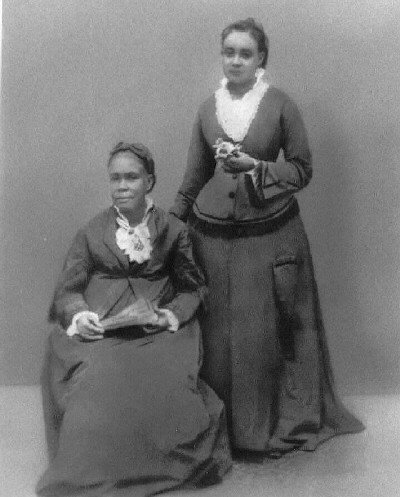
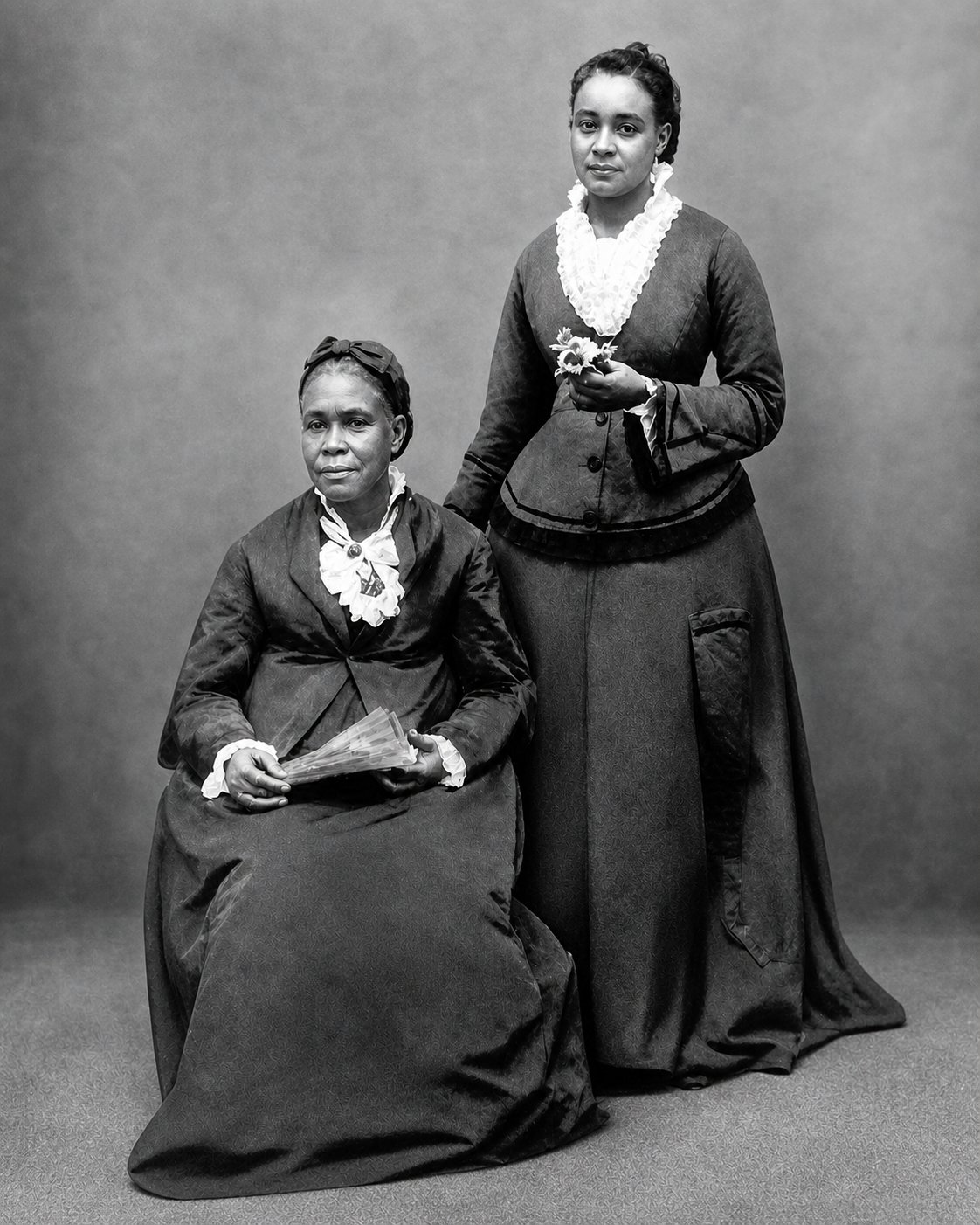
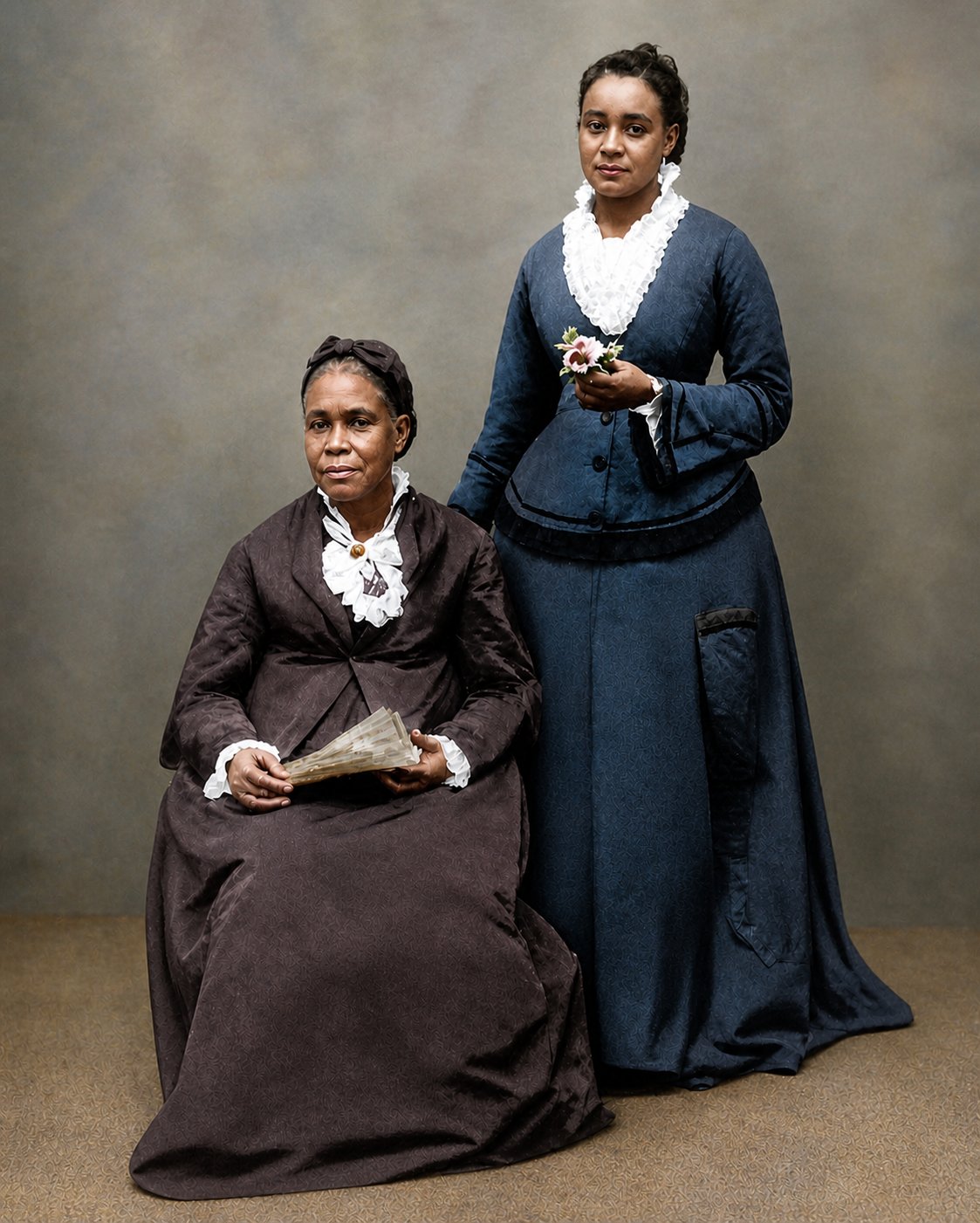
Portraits courtesy of the Barbados Museum & Historical Society and the Liberian National Archives. The Sarah Ann Bourne-Barclay photograph shows her seated at left; the standing figure is unidentified. No surviving likeness of Anthony Barclay has been located in the public record; his name plate stands in place of a portrait until one is recovered.
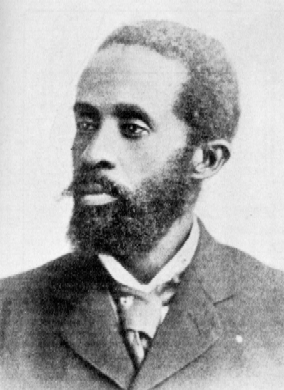
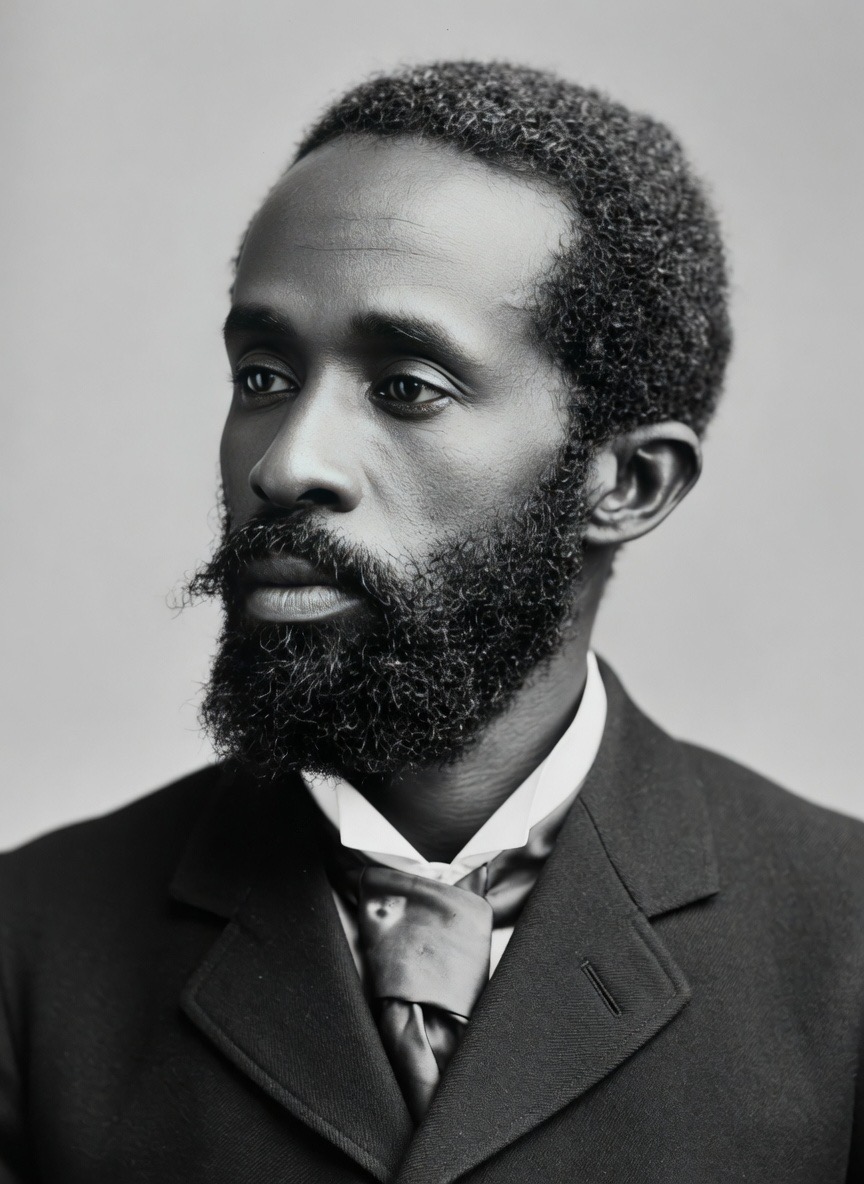
The only surviving photograph of President Arthur Barclay (1854–1938) is a small studio portrait held in scholarly archives. At its native resolution, the print has degraded considerably. Below, the original is shown alongside an AI-restored version produced for legibility — not as a substitute for the archival original, but as a companion view. The restoration is identified as such and is not represented as a primary documentary source.
The only surviving photograph of Sarah Ann Bourne-Barclay survives at low resolution. She is the figure pictured at left, seated; the standing figure remains unidentified in the archival record. Below, the original is shown alongside two AI-assisted views: a black-and-white restoration for legibility, and a colorized reimagining. The restorations are not primary documentary sources and are clearly identified as such.
The central scholarly reconstruction of London Bourne's life is Cecilia A. Karch's 2007 study in the journal Slavery & Abolition. Caree A. Banton's 2019 monograph More Auspicious Shores (Cambridge University Press) traces the political legacy his lineage created on both sides of the Atlantic. Together with the Wikipedia entry, the contemporaneous Barbadian and Liberian press, and TABHI's own genealogical research, these constitute the documentary basis for the account presented above.
Bourne's work is the foundation. The families he organised, the descendants who govern today, and the bilateral relationship now being rebuilt are its living continuation.