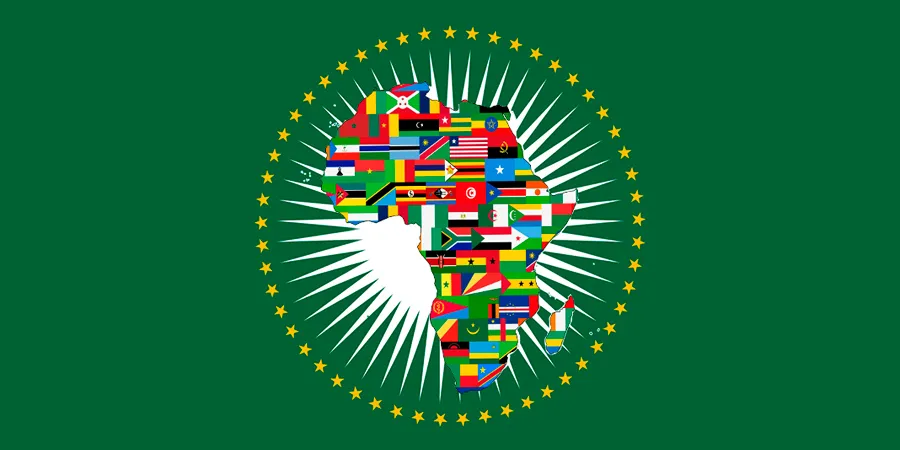
Every year on 25 May, people across the African continent and throughout the global African diaspora celebrate Africa Day — a moment dedicated to honouring African unity, liberation, resilience, and progress. More than a symbolic observance, Africa Day reflects the shared history of African nations and the continued pursuit of cooperation, self-determination, and continental development.
The Origins of Africa Day
The roots of Africa Day trace back to the early Pan-African movement, which emerged as African leaders, intellectuals, and activists advocated for solidarity among African people both on the continent and across the diaspora. Pan-Africanism promoted the belief that African nations could achieve greater political, economic, and social strength through collaboration and unity beyond colonial borders.
This vision took a historic step forward on 25 May 1963, when leaders from 32 African countries gathered in Addis Ababa, Ethiopia, to establish the Organisation of African Unity (OAU). The OAU was created during a pivotal era as many African nations were gaining independence from colonial rule and seeking collective strategies for liberation, sovereignty, and development.

The formation of the OAU represented a landmark moment in African history. It symbolised the continent's commitment to unity, mutual support, and the protection of African independence during a period marked by anti-colonial movements and political transformation.
From the OAU to the African Union
In 2002, the Organisation of African Unity transitioned into the African Union (AU). While the OAU primarily focused on decolonisation and political solidarity, the African Union expanded its mission to include deeper economic integration, peace and security initiatives, infrastructure development, technological advancement, trade cooperation, and sustainable growth across the continent.
Today, the African Union continues to play a significant role in shaping continental policy and fostering partnerships among African nations, while promoting the long-term vision of Agenda 2063 — a strategic framework aimed at transforming Africa into a global powerhouse of inclusive growth and sustainable development.
What Africa Day Represents Today
Africa Day has evolved into more than a political commemoration. It is now a global celebration of African culture, identity, creativity, innovation, and achievement. Across the world, people observe Africa Day through:
- cultural festivals and performances
- educational forums and discussions
- historical reflections
- art exhibitions
- music and dance celebrations
- youth empowerment initiatives
- diaspora engagement activities
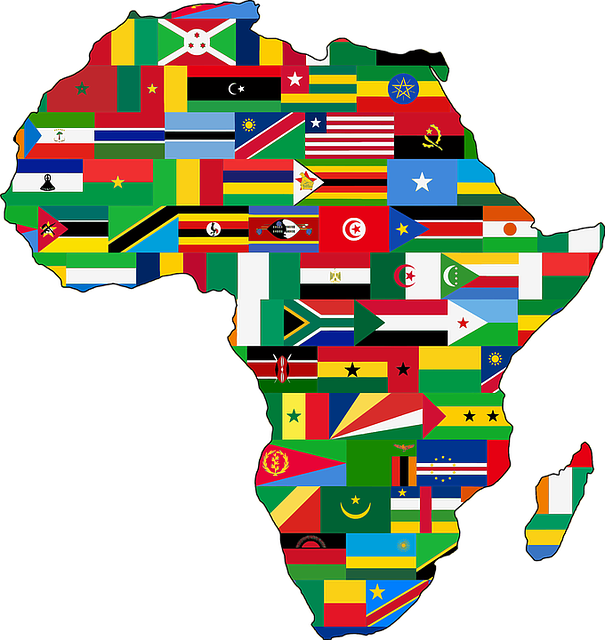
The day also serves as an opportunity to recognise Africa's extraordinary diversity. With 54 nations, thousands of ethnic groups, and more than 2,000 languages spoken across the continent, Africa represents one of the richest cultural landscapes in the world. At the same time, Africa Day acknowledges the ongoing challenges and opportunities facing the continent — including economic development, climate resilience, governance, education, healthcare access, and technological advancement.
Africa's Story Continues
Africa Day reminds the world that Africa's story is not defined solely by its past, but also by its future. The continent continues to shape global conversations through entrepreneurship, innovation, diplomacy, fashion, music, literature, science, and cultural influence.
For members of the African diaspora, Africa Day carries deep emotional and historical significance — a bridge connecting communities around the world to their ancestral roots, shared heritage, and collective future.
As the continent continues to rise and evolve, Africa Day remains a powerful symbol of unity, resilience, and hope — honouring both the struggles that shaped Africa's liberation and the generations working to build its future.
The Africa Barbados Heritage Initiative exists at the heart of that diaspora bridge. The 1865 voyage of the brig Cora carried free Black Barbadians to Liberia, where they helped found Crozierville and build a nation — a living thread in the same Pan-African story Africa Day commemorates.
On this Africa Day, we honour that lineage and the continued work of reconnecting families across Barbados, Liberia, Sierra Leone, and the wider African world.